Overbites are a common dental condition characterized by the upper teeth overlapping the lower teeth excessively. While mild overbites may not cause any significant problems, severe overbites can lead to a range of dental issues, including:
- Crowding and misalignment of teeth
- Difficulty chewing and biting
- Increased risk of tooth decay and gum disease
- Jaw pain and temporomandibular joint (TMJ) disorders
- Speech problems
- Self-consciousness and social anxiety
Thankfully, there are a variety of effective treatments available to correct overbites. The best treatment option for you will depend on the severity of your overbite, your age, and your overall dental health.
Treatment Options
Non-Invasive Treatments
- Overbite appliances: Bite blocks and corrals are used to adjust jaw position, especially in younger patients.
- Overbite exercises: Use of elastics with braces or aligners to correct bite issues.
Invasive Treatments
- Tooth extraction: Involves removing one or more teeth to create space and allow for proper alignment of the remaining teeth.
- Braces: Use metal or ceramic brackets, wires, and bands to correct teeth alignment over time.
- Clear aligners (Invisalign): Custom-made, clear plastic trays designed to move teeth gradually into proper alignment.
- Functional appliances: Devices like the Herbst appliance are used to correct jaw alignment, often in conjunction with braces.
- Overbite surgery (Jaw surgery): Orthognathic surgery involves repositioning the jaw bones to correct severe bite misalignments.
Sierra's Smile Journey: A Patient Story
Meet Sierra, a young woman who embarked on a journey to straighten her smile with the help of Dr. Karla Thompson, a renowned orthodontist in Pasadena, California.
For three years, Sierra wore braces, but not just any braces. Dr. Thompson utilized clear aligners, which provided a comfortable and discreet way to achieve her desired results. Witnessing quick progress and experiencing minimal discomfort, Sierra was thrilled with the transformation.
Today, Sierra boasts a dazzling smile, thanks to Dr. Thompson's expertise. The newfound confidence radiating from her face is a testament to the positive impact this treatment has had on her life.
But Sierra's experience goes beyond just achieving a beautiful smile. Dr. Thompson's skill, patience, and dedication to providing the best possible care left a lasting impression on her. It's no wonder she enthusiastically recommends Dr. Thompson to anyone seeking orthodontic treatment.
A Promising Newcomer: BRAVA by Brius
BRAVA by Brius is a novel treatment using invisible brackets placed behind the teeth for individual and simultaneous tooth movement. This treatment offers several advantages over traditional braces, including:
- Less visible: The brackets are hidden behind the teeth, making them much less noticeable than traditional braces.
- Potentially faster treatment time: BRAVA by Brius may be able to correct overbites in less time than traditional braces.
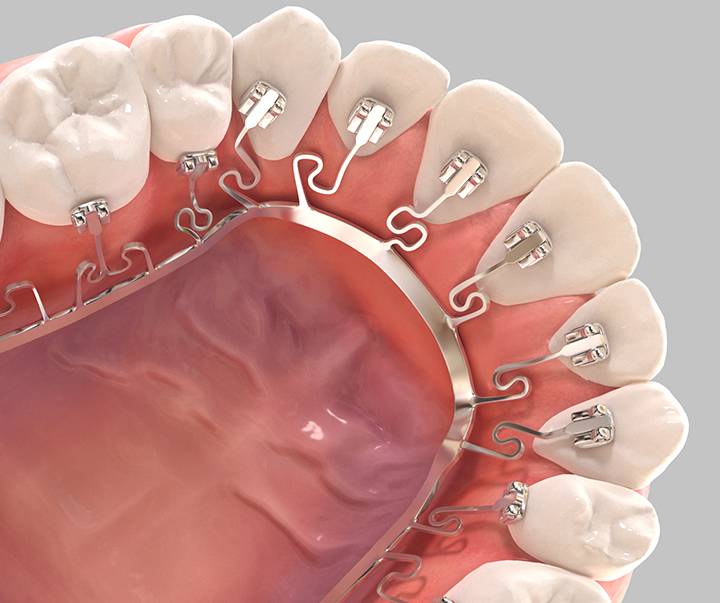
However, BRAVA by Brius is not suitable for all patients. While BRAVA by Brius is effective for many orthodontic issues, it may not be the best choice for treating severe overbite. The strain exerted by a severe overbite could potentially dislodge the brackets of the BRAVA system. It is essential to consult with an orthodontist to determine if this treatment is right for you.
Choosing the Right Treatment for You
The best way to choose the right overbite treatment is to consult an experienced orthodontist. They will evaluate your individual needs and recommend the treatment that is most likely to be successful.
If you are concerned about your overbite, don't hesitate to schedule a consultation with an orthodontist today. They can help you determine the best treatment option and get you on the path to a healthy, confident smile.
Table Summarizing the Pros and Cons of Each Treatment
| Treatment | Pros | Cons |
| Overbite appliances | Specifically designed for growing jaws | May be uncomfortable and require regular adjustments |
| Overbite exercises | Enhances the effectiveness of other orthodontic treatments | Requires consistent use and discipline |
| Tooth extraction | Effective in preventing misalignment due to overcrowding | Involves surgery with typical risks |
| Braces | Highly effective for a wide range of misalignments and bite issues | It may be uncomfortable and require regular adjustments |
| Clear aligners (Invisalign) | Nearly invisible, removable, and typically more comfortable than traditional braces | It can be uncomfortable, aesthetically noticeable, and require regular maintenance and adjustments |
| Functional appliances | Effective in correcting jaw alignment | It may be less effective for severe misalignments |
| Overbite surgery (Jaw surgery) | Provides a permanent solution for severe cases | Involves a major surgical procedure |
| BRAVA by Brius | Less visible, potentially faster treatment time | Not suitable for all patients |
Frequently Asked Questions
What is a complete overbite?
A complete overbite means the upper front teeth overlap the lower front teeth so much that the lower teeth are almost entirely hidden when biting down. It’s a more pronounced version of a deep overbite — and more severe than a normal overbite, where a small amount of vertical overlap is actually healthy and expected.
Is a complete overbite serious?
It can be. Severe overbites are associated with crowding, difficulty chewing and biting, increased risk of tooth decay and gum disease, jaw pain and TMJ disorders, and speech problems. Mild overbites may not cause significant issues — which is why an orthodontic evaluation matters more than self-diagnosing severity.
Can a complete overbite be fixed without surgery?
In most cases, yes. Braces, clear aligners, and bite-correcting appliances handle the majority of overbite cases without any surgical intervention. Orthognathic surgery is typically reserved for severe skeletal misalignments that can’t be addressed through tooth movement alone. Dr. Thompson will only recommend treatment that’s actually needed for your specific case.
How long does overbite treatment take?
Treatment length varies depending on the severity of your overbite, your age, and which approach is right for you. There’s no universal timeline — and anyone who guarantees a specific finish date before evaluating your case is overpromising. A complimentary consultation at SmileHaus gives you a realistic picture based on your actual records.
At what age should an overbite be treated?
It depends on the individual. Early treatment during childhood can take advantage of jaw growth — bite appliances and growth-respecting approaches work best when bones are still developing. Adults can absolutely be treated too, often with braces or clear aligners. Dr. Thompson won’t recommend treatment for a child if it isn’t needed yet.
Can clear aligners fix an overbite?
Yes, for mild to moderate cases. SmileHaus offers Spark™ Clear Aligners — a nearly invisible, removable option for adults and mature teens. Spark works well for many overbite situations, though more complex cases may be better suited to Pitts21 PRO braces. Dr. Thompson reviews each case individually to recommend the right fit.
Does insurance cover overbite treatment?
It depends on your specific plan. SmileHaus accepts most major PPO plans and verifies your orthodontic benefits before treatment begins — so you know what to expect before committing to anything. Your complimentary consultation includes that benefits review at no cost and no obligation.